
About Desert Hospital Auxiliary
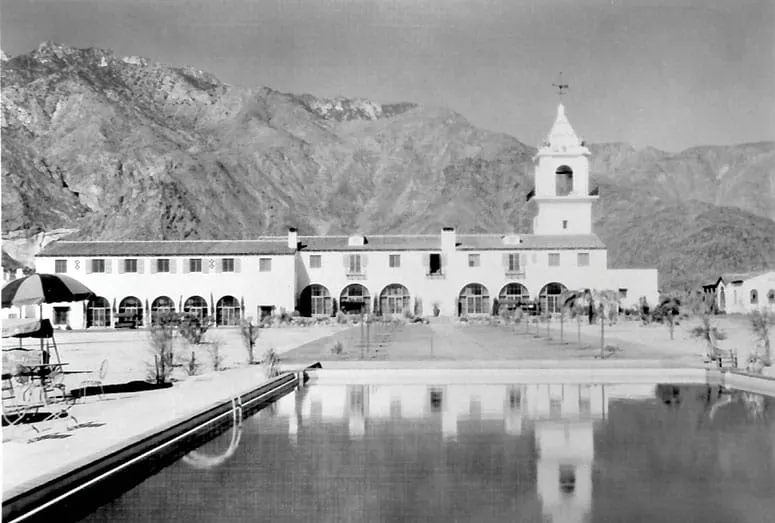
El Mirador Hotel (circa 1930) — photo courtesy of Palm Springs Life.
From Humble Beginnings
The “Gray Ladies” were born during World War II, when the U.S. Government commissioned El Mirador Hotel and renamed it Torney General Hospital. They assisted the medical staff in providing services to the injured soldiers. The Gray Ladies became the Desert Hospital Women’s Auxiliary and received its charter on June 5, 1951, but it wasn’t until 1957 that the Auxiliary was officially established when Virginia Farrell, the actor Charlie Farrell’s wife, was elected as the Auxiliary’s first president.
By 1961, it had more than 500 members. At that time, Desert Hospital was the only hospital in the Coachella Valley, and as a non-profit hospital depended on fundraising. Thus, the Betty Hale Gift Shop was established to fulfill the primary function of the Auxiliary—raising money.
The Hollywood Connection
In the 60–80s Frank Sinatra was very much engaged with the Desert Hospital Auxiliary. Many of these women put on extravagant fashion shows and at times had celebrities attend. In 1970–80, the Auxiliary was able to raise millions of dollars in conjunction with Frank Sinatra to build the main hospital Sinatra Tower and adjoining departments. Frederick Loewe, famed composer and Broadway producer, also helped raise money for Desert Hospital buildings and other projects.
The Auxiliary Today
In 1974, the Auxiliary changed its name to Desert Hospital Auxiliary in recognition of the men who wished to become volunteers.
When Tenet Healthcare System began operating the hospital in 1997, the facility changed to for-profit status, which meant the Auxiliary could no longer provide funds directly to the hospital. The Auxiliary retained its identity as a separate nonprofit organization, focusing its support on Desert Healthcare District projects and continues to award grants to deserving charitable organizations.
Since the hospital began tracking volunteer hours in 2005, these dedicated individuals have contributed over 1.5 million hours serving patients and visitors.
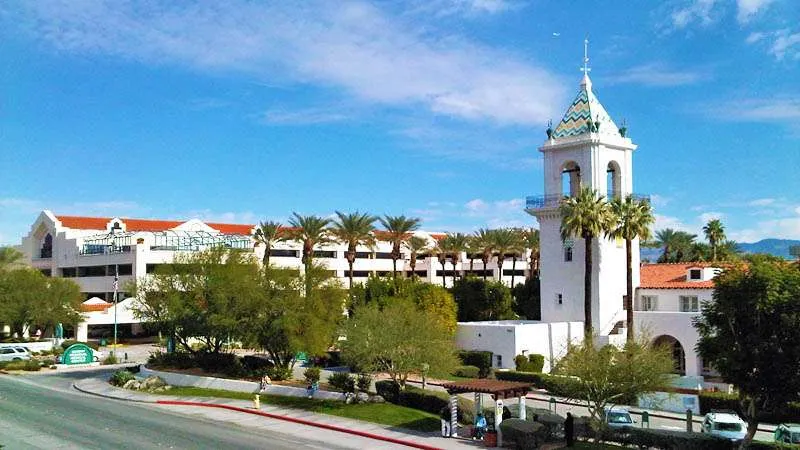
Desert Regional Medical Center today.